

Neck pain is a painful condition affecting the cervical section of the spine. It can occur together with muscle tension, headache, a sense of postural instability and difficulty moving the neck. Even when it initially appears as an occasional disturbance, it can develop into a persistent problem if not properly treated.
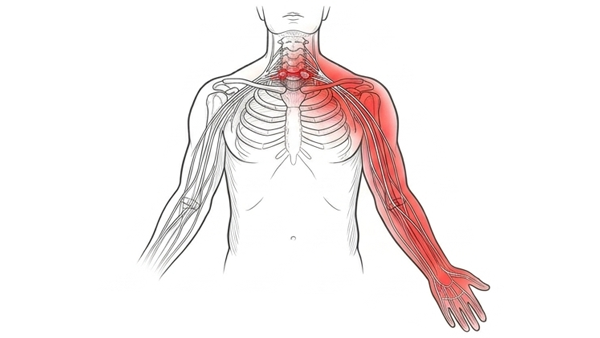
Cervicobrachial pain presents as pain that starts at the cervical level and radiates toward the shoulder, arm and sometimes down to the hand. It is often related to irritation or compression of a cervical nerve root or a nerve of the brachial plexus. In addition to pain, tingling, altered sensation and a feeling of weakness in the upper limb can occur.

Degenerative disc disease is a process of progressive wear of the intervertebral disc, the structure that separates and cushions the vertebrae. Over time, and under the effect of everyday microtrauma, the disc tends to lose elasticity, hydration and load-bearing capacity. This can cause spinal pain, stiffness and increased vulnerability to other spinal conditions.

Thoracic back pain is pain localized in the upper/mid back. In some cases it can radiate toward the area between the shoulder blades or along the rib cage, due to muscle tension, joint dysfunction or irritation of the nerve structures. It is a disorder that can affect deep breathing, posture and comfort in everyday movements.

A rounded back, or thoracic hyperkyphosis, is characterized by an accentuation of the normal curvature of the thoracic spine. It can have postural, structural or developmental origins and, in the more evident cases, alter the overall harmony of the body. This condition can be associated with pain, muscle fatigue and reduced mobility.
Flat back occurs when the normal thoracic curvature is reduced or nearly absent. Although it may seem like a simple postural variant, it can sometimes signal an alteration in the overall balance of the spine. It can affect load distribution and predispose to compensations and tension in other areas of the body.

A disc herniation develops when part of the intervertebral disc protrudes from its natural position due to a tear in the fibrous ring (annulus). This protrusion can irritate or compress the surrounding nerve structures, causing local or radiating pain. Depending on the affected area, symptoms can present as neck pain, low back pain, arm pain, sciatica or thigh pain. The most frequently affected areas are the cervical and lumbar spine.

Vertebral fractures are injuries affecting one or more vertebrae and can occur following trauma, falls, accidents, or due to bone fragility, as in cases of osteoporosis. They can cause intense pain, limited movement, postural changes and, in more severe cases, even compression of the nerve structures. Severity varies depending on the type of fracture and the affected part of the spine, making a prompt specialist assessment essential to determine the most appropriate treatment.
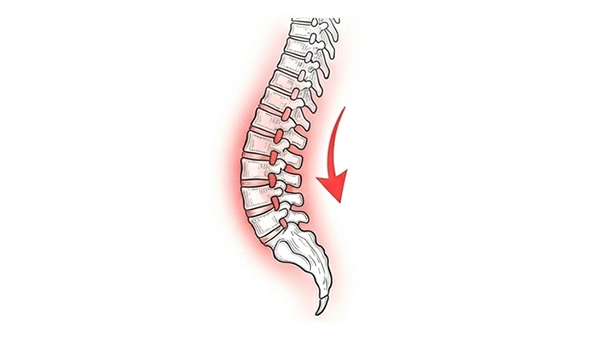
Lumbar hyperlordosis is an accentuation of the physiological curvature of the lower back. It can be associated with muscle imbalances, pelvic alterations or postural compensations. When pronounced, it can cause overload of the lumbar area and promote the onset of persistent pain and muscle tension.

Low back pain is pain localized in the lumbar region, one of the most widespread health problems overall. It can have a muscular, joint-related, discogenic or postural origin, but can sometimes also be linked to causes not strictly related to the spine. Precisely because of this variety of possible origins, careful assessment is essential to identify the most suitable, personalized treatment.
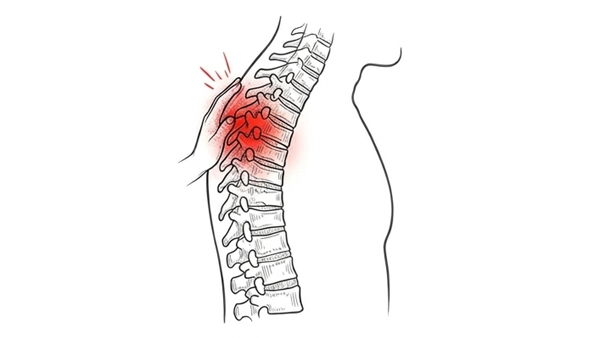
Scheuermann's disease, also known as juvenile kyphosis, mainly affects adolescents and young people who are still growing. It is due to an alteration in the development of the thoracic vertebral bodies, which can lead to a marked accentuation of kyphosis. In the more evident cases it can cause pain, stiffness and a progressive postural deformity.

Osteoarthritis is a degenerative condition characterized by the progressive deterioration of joint cartilage. When it affects the spine, it can involve both the posterior joints and the vertebral surfaces, leading to spondylosis and osteophytes. The clinical picture is often characterized by pain, stiffness and functional limitation, especially with prolonged or repetitive movements.

Osteomalacia is a condition in which adult bone loses density due to reduced mineralization, often related to vitamin D deficiency or absorption disorders. The bones become more fragile and less stable, with possible spinal pain, weakness and difficulty walking.

Osteoporosis is a condition characterized by a reduction in bone mass and an alteration of its internal structure. This makes the bones more fragile and more exposed to the risk of fractures. At the spinal level it can cause vertebral collapse, chronic pain and progressive deformities of the spine, especially at older ages.

Sciatica and thigh pain are radiating pains that start in the lumbar spine and extend down the lower limb. Sciatica follows the course of the sciatic nerve, while cruralgia affects the area of the femoral nerve. These conditions can be associated with paresthesia, reduced sensation and loss of strength, interfering with walking and normal daily activities.

Scoliosis is a lateral deviation of the spine associated with vertebral rotation, capable of altering both the appearance and the function of the spine. There are congenital, idiopathic, neuromuscular and adult degenerative forms. If not properly monitored and treated, it can develop into complex deformities, affecting posture, movement and, in the most severe cases, even respiratory function.

Ankylosing spondylitis is a chronic inflammatory disease that mainly affects the sacroiliac joints and the spine. It presents with pain and stiffness, especially in the morning or after periods of inactivity, and can progressively limit the mobility of the back.

Spondylolysis is a structural lesion affecting a portion of the vertebra called the pars interarticularis. It can develop following repeated microtrauma, overload or individual predisposition. It is a relatively common cause of low back pain, particularly in young people and athletes.

Spondylolisthesis consists of the slippage of one vertebra relative to the one below it. It often represents the evolution of spondylolysis and can cause low back pain, muscle tension and neurological symptoms related to compression of the nerve roots. Severity varies depending on the degree of slippage and the involvement of the surrounding structures.

Spinal stenosis is the narrowing of the spinal canal or the spaces through which the nerve structures pass. It can be congenital or degenerative and is often associated with osteoarthritic changes. The most common symptoms include pain, a feeling of heaviness, weakness and fatigue in the lower limbs. A typical sign is neurogenic claudication, meaning pain that increases with walking and tends to decrease with rest or in a seated position

