
In brief
-
What it is An adult condition characterized by reduced bone mineralization, making it more fragile
-
Symptoms Widespread pain, muscle weakness, difficulty walking, increased risk of vertebral collapse
-
Most common treatment Medical (correcting the cause of the reduced mineralization)
Osteomalacia
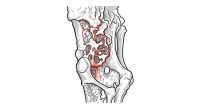
Osteomalacia is a condition in which adult bone loses density due to reduced mineralization, often related to vitamin D deficiency or absorption disorders.
The bones become more fragile and less stable, with possible spinal pain, weakness and difficulty walking.
Causes
Osteomalacia is an adult condition characterized by reduced bone mineralization.
The bone becomes less resistant, more fragile and more prone to deformity or fractures.
One of the most common causes is vitamin D deficiency, but the following can also contribute:
- intestinal absorption disorders
- kidney disease
- metabolic alterations
- certain medications
Symptoms
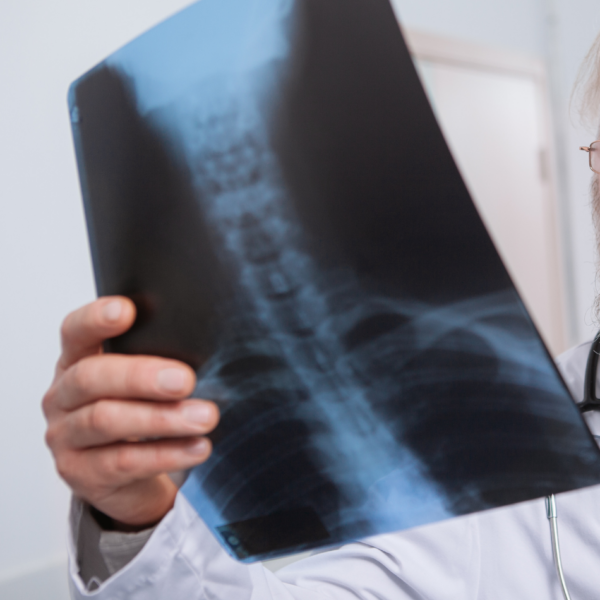
Diagnosis requires clinical assessment, laboratory tests and, when necessary, imaging studies.
At the spinal level, osteomalacia can cause:
- widespread pain
- muscle weakness
- difficulty walking
- increased risk of vertebral collapse
Assessment and treatment
Treatment is generally medical and aims to correct the cause of the reduced mineralization, improving bone quality and reducing the risk of complications.
A personalized approach to spinal conditions
Spinal conditions can present very differently from one patient to another.
Two people with the same radiological diagnosis can have completely different symptoms, just as a seemingly significant abnormality on an MRI may not be the true cause of the pain.
For this reason, a specialist assessment should not be limited to reading the imaging results, but must integrate the patient’s clinical history, physical examination, symptom analysis, neurological assessment and the impact of the condition on daily life.
The most appropriate treatment is not necessarily the most invasive one, but the one best suited to the specific situation. In many cases significant improvement can be achieved with conservative therapies, physical therapy, lifestyle changes, pain management or minimally invasive treatments. In other cases, when pain is resistant, neurological compression is significant or the deformity compromises function, surgery may be the most effective solution.
The ultimate goal is always the same: reduce pain, improve function, preserve the patient’s safety and choose a truly personalized treatment path.
Fill out the form to send me your request. I will read your message and get back to you as soon as possible.

For any information or clarification, contact me by email or call the secretariat number:
Secretary's office phone number
(+39) 335.498373
